Blog

Finding an agent the second time round!

I signed with literary agent Kate Burke in 2019. It wasn’t easy to find an agent back then. When Kate and I parted ways in 2024, I didn’t realise it would be even harder to find an agent the second time round!

I feel incredibly lucky to have had Kate as my agent. Her extensive editorial advice helped shape my debut thriller Shiver into as commercial a novel as possible. She even came up with the title at 3am one morning! She went on to sell Shiver in a ten-publisher auction in the UK, which was beyond my wildest dreams. I’m also extremely grateful to Blake Friedmann Literary Agency. Their amazing foreign rights team sold Shiver to 24 territories. TV and film agent Julian Friedmann sold the TV option. Read my blog post about how I got my first agent, including my actual query letter, here.

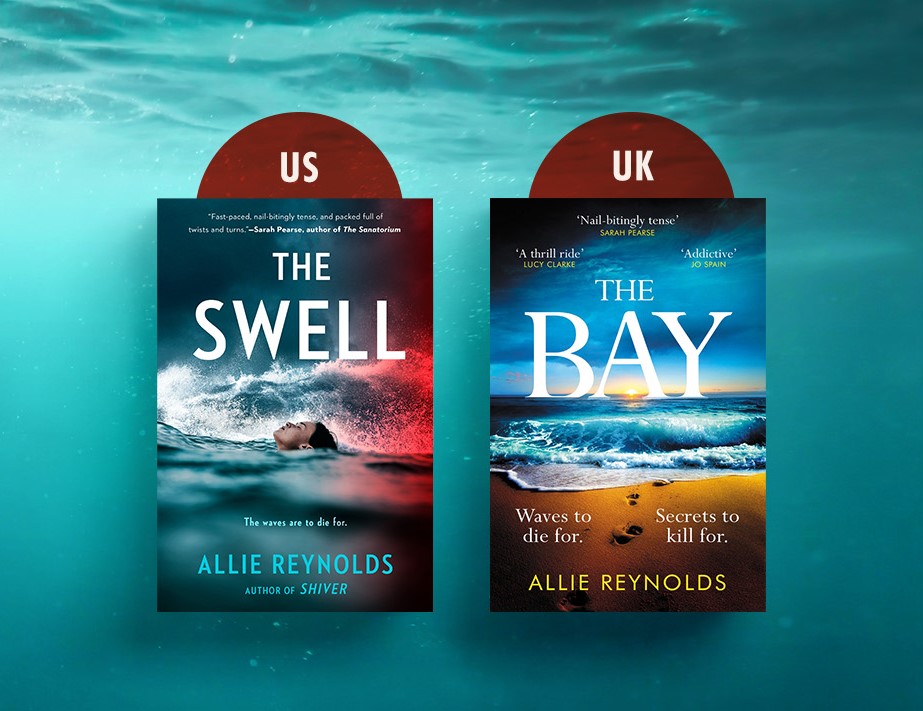
I got a 2-book deal. Kate gave me extensive editorial help with Book 2, The Bay (titled The Swell in North America.) She also helped me with book 3, a wilderness thriller set in New Zealand, but it was a tricky time in the thriller market, which was becoming over-saturated and she felt I should take the book in a direction I didn’t feel capable of writing. For months, I was stuck in limbo. I was also aware that over time, my taste and Kate’s had diverged. In June 2024, when she raised the idea of us parting ways, explaining she felt she’d taken me as far as she could take me, I agreed this was the best option.

It felt like the end of an era. I’d spent a whole year writing book 3. Being told it wasn’t sellable in the current market was devastating. And also terrifying! I’d been a full-time writer for five years. As a single mum, I needed to make an income. I’d lost all my confidence as a writer, so I tried to go back to teaching, but this wasn’t easy after so long out of the profession and I mostly ended up classroom assisting, part time, which didn’t cover my cost of living. I was lucky enough to have savings from my previous book deal to fall back on, but I knew they wouldn’t last forever.

I’m so grateful to the family and friends – in real life and online – who cheered me on through this time. I felt like I was at rock bottom for a month or two. I did a couple of reiki courses, a course in transcendental meditation and read a whole lot of self-help books. I also took a couple of short online courses with Curtis Brown Creative. I’d taken 3 of their short courses back in 2017-2018 and found them incredibly helpful (Start writing your novel, Write to the End, and Edit and Pitch.) This time, I studied their psychological thriller course with the amazing Erin Kelly and their Writing for TV course, which were excellent and really inspiring. I finally picked up enough confidence to revisit an older manuscript – another snowy thriller. 
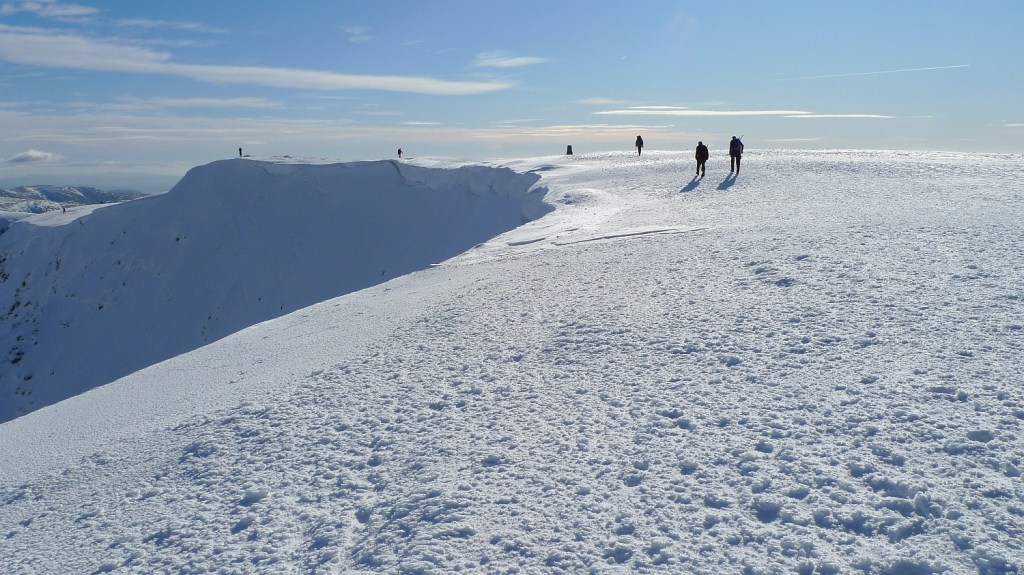
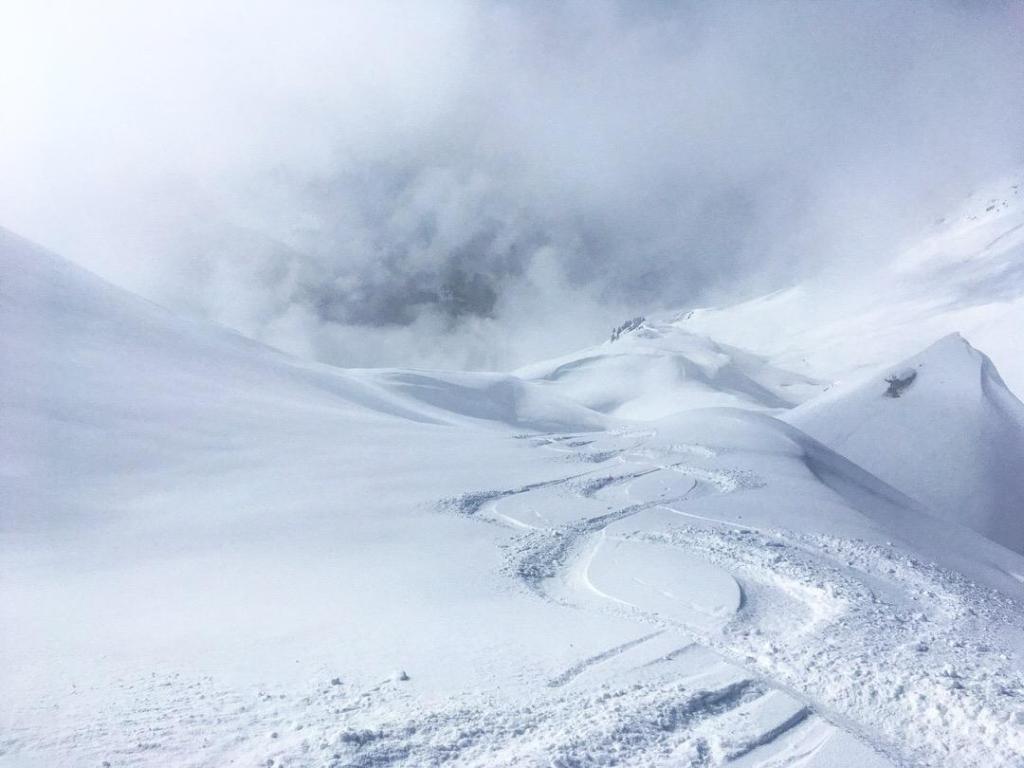
(I love this photo. The two figures nearest to the camera are my mum and dad!)

Querying my new snowy thriller.

I’d just signed up to BBC Maestro and taken Lee Child’s Writing Popular Fiction course. (I really recommend these courses! For the price – I paid about $150 for a year’s subscription, allowing access to all courses – they are well worth it!) Lee Child says there’s a MASSIVE difference between a bad agent and a great one. A great agent will create your career, safeguard it, shepherd it, and be eager and attentive to every detail. But how do you find a great agent?

Researching agents.

I began by listing the agents of my favourite authors. Some authors link in their agent on X or other social media platforms. Some mention their agent on their author website. I had to Google others: who is X represented by? Most authors also thank their agents in the acknowledgements section of their books.

My goal is to make a living from my writing. Not an easy goal. 90% of writers have a day job. Like the first time round, I decided to target UK agents first. I’m a Brit and my new snowy thriller features British main characters. I moved to Australia twenty years ago, but the UK has a far bigger book market and far more agents than Australia. I knew I needed to target a bigger market than just Australia to have any chance of writing full time. Of course, the US is a bigger market still, but neither me nor my current project have any links to the US, otherwise I would have tried my hand at finding an American agent.

Once I had a longlist of UK agents, I visited their agency websites. Most have a page detailing what each agent is currently looking for (their ‘wishlist,’) favourite books (and sometimes TV shows and movies), what genres they accept and most importantly if they’re currently open to submissions. If I liked what I saw, I checked out the agent’s clients. Some agents have huge client lists. That tended to put me off. If they had more than 100 clients, who might each write a book a year, how would they have time for me? Some agents don’t edit. I hoped to find an editorial agent – but if an agent had over 100 clients, would they have time to edit or even read my work? (Several writer friends have confessed to me they don’t think their agent has read any of their work!) Other agents only have a few clients. New agents might be full of energy and enthusiasm and have more time available to help their clients, but would they have the contacts and experience necessary to shape my book and deliver it to the most suitable editor at different publishing houses? It’s clearly a tricky balance. As for the clients: were they big sellers? Had they got big deals? Had I read any of their books? If so, I could mention it in my query letter. And if I loved some of the authors the agent represents, it suggested we might share similar taste, which was my top requirement.

After that, I checked out each agent’s social media posts on X and/or Instagram, and/or their personal website or blog if they had one. Did we have anything in common? Did they mention a subgenre or theme of story they were particularly looking for right now? Then I googled each agent and often found interviews with them on author blogs, publishing websites, literary consultancy blogs and podcasts. (See the list of resources at the end.) I also googled the agent’s name and ‘MSWL’ (Manuscript Wish List) to search for lists of what they’d love to find.

I ended up with a long list of possible agents. But who would be best-placed to sell my work? Wanting more information, I subscribed to The Bookseller, the UK’s biggest publishing publication. You can only read 2 free articles per month unless you pay for a subscription. One month’s subscription cost me 17 GBP, about $40 AUD. I spent several days researching agents on my list on The Bookseller, looking at their recent deals and other articles about their careers. Many agents previously worked in publishing houses as editors. I see this as a huge advantage. If they’ve been an editor and buyer for a major publishing house, they will have fantastic editorial skills and know exactly what publishers are looking for and might have great publishing contacts.

Also on the Bookseller website, check out the London and Frankfurt book fair hotlists. These highlight a few titles from each agency, the genre and premise of each book and the agent selling it. They provide a fascinating snapshot of upcoming titles and which agent is selling them – and also show how important a catchy one-line premise is. It’s such a skill coming up with a hooky one-line premise. I added more agents to my list.

With North America being such a huge market, I wanted a clearer idea of what was happening there, so I also subscribed to Publishers Marketplace – just a Quick Pass which allows 24 hours access to their site, or fifty Page Requests, for $10 USD.

I spent a few hours trawling through recent thriller deals and noted the names of UK – and Australian and American agents doing the deals. It offered an interesting insight of what was selling and what was hot in North America.

After that, I spent a whole day ranking the agents on my list according to how much I liked them, to decide who to submit to first. It was a tricky balance between agents who had similar taste to me, experience, and enough time to take on more clients.

All this research took considerable time! My brain works best in the mornings so I tried to reserve the mornings for working on my manuscript and do my research in the afternoons. I also began to put together my submission package.

The submission package

Once I had my shortlist, I returned to each agent’s website, to check they were still open to submissions and see how they wanted authors to submit work. Some agents want the first three chapters, others want the first 30 or 50 pages or first 10,000 words, some let you choose between several options. Some agents want submissions via email; others want submissions via a form on their agency website.

Query Letter

The query letter is a very important document. I edited and polished mine over several weeks. Agents want to know why you are submitting to them, so I included a personalised paragraph for each particular agent.

Eg. I feel we have very similar taste

I love the books of your clients X and Y

I saw you are looking for XYZ

I heard you love a certain subgenre/theme/topic.

My query letter consisted of a sentence giving the title, genre, word count and catchy one-liner about my book. I’ve heard from many sources that a catchy one-line pitch is CRUCIAL right now.

My letter began:

Dear X

Sleeping With the Enemy on ice.

I seek representation for (TITLE), a psychological thriller of 80,000 words that I hope could sit beside Ruth Ware, Lucy Clarke and Amy McCulloch.

This was followed by 3 paragraphs:
1: an enticing blurb about my book
2: a paragraph about why I chose that agent
3: a paragraph about me and my writing credentials.

I won’t share my query letter since this book hasn’t sold yet, but see my query letter for Shiver, which got me my first agent here.

The Synopsis

The synopsis is widely considered one of the hardest things you’ll ever have to write! UK agents typically want a one-page synopsis. In Times New Roman size 12 font (the industry standard), this works out as 450-550 words, if you use single line spacing with line gap between paragraphs as I do. My synopsis is a clear and simple outline of my story including major twists, spoilers and the ending. At the top, I write in italics: includes spoilers! Just to warn any agents who might prefer not to know the spoilers until they’ve read the whole manuscript. Knowing how hard synopses are, I started mine years ago, before I’d even finished writing the story. Over the years, I’ve sent this synopsis to multiple writer friends for feedback and revised it many times over.  

The sample chapters

I edited and polished my whole manuscript many times over. I’m lucky enough to have some amazing beta readers who read and critique my work in return for me doing the same for them. They’d offered extremely helpful advice, which I used to shape the manuscript. I edited the opening chapters even more. I didn’t want typos or bad writing to distract from the story and put agents off.

I submitted to two agents at the top of my list and waited a couple of weeks. Radio silence so I submitted to four more. I got an immediate full request from one, so I then advised all the others that I’d had a full request. This is standard procedure. I couldn’t inform one agent as they were only contactable via their online system. Within hours, I received another request for the full. Then another.

It was the Frankfurt book fair the following week. This and the London Book Fair are extremely busy times for agents so I guessed I’d have a long wait. Agents and the publishing industry as a whole seem to mostly shut down over the Christmas period and during August – so this is probably another time to avoid submitting, or if you do sub, don’t except a prompt response.

Even so, I checked my inbox a million times a day. Querying is a frustrating and often devastating process that requires much patience, resilience and determination. It took six weeks to get a reply. A rejection, sadly. The agent was full of praise but said she’d been hoping for a final shocking twist, which is one of the things she always wants to find in a thriller. I was grateful to get feedback, made careful note of it and tried to see how to revise my manuscript accordingly. One agent who requested the full still didn’t get back to me, to this day, 9 months later. The takeaway: don’t wait too long – you might be waiting forever.

I subbed to another four agents on my list, after checking each was still open to submissions. I got more rejections, another full request, and another rejection.

Stats for this manuscript: ten subs, four full requests.

Querying my New Zealand wilderness thriller

In the meantime, I returned to revising my original Book 3, a wilderness thriller set in New Zealand. The year-long break helped me see it with fresh eyes. My amazing beta-readers had also read it and offered feedback. I spent a few months editing, prepared a query letter and synopsis and researched agents again. I still liked the agents who’d rejected my previous manuscript so I sent it to some of them. One of the agents who’d read the full of my first manuscript asked for the full of this one. I was so excited. I checked my email every day. Finally, over three months later, a request for a phone call. I was overjoyed. I let the other agents know I had a phone call request, and one agent immediately requested the full.

After an hour-long phone-call, the first agent rejected me. I hadn’t heard of this happening before. I think it was because I mentioned ideas for future books that were in subgenres they didn’t represent. The other agent with the full also rejected me. On the plus side, they were positive about the story, had loved the pitch and both offered very helpful feedback, some of which I actioned right away, the rest I made careful note of for future drafts.

Devastated, I searched for more agents. Again, my writing buddies were an amazing support at this time. One of them sent me regular gossipy emails about his own querying experiences. He mentioned literary agent Stephanie Glencross at David Higham Associates. I googled her and loved what I saw. I don’t know why I hadn’t spotted her earlier! She might have been closed to submissions when I first searched. Stephanie represents thrillers and crime novels exclusively, is very editorial, has a short list and most importantly, we seemed to share the same taste. (Takeaway – reach out to other writers, especially querying writers. Pool knowledge!)

I immediately subbed chapters to Stephanie. When she requested the full a few hours later, I nearly fell off my chair. It was Friday evening, so I didn’t expect to hear back for a while but on Sunday, she emailed, apologising for emailing on a Sunday, and offered representation. Without even a phone-call! I hadn’t heard of this happening before. I requested a few days to let the other agents who had my chapters know I’d had an offer, out of courtesy to them. I also asked Stephanie two questions:

a) How ready did she think my story was for submission?
b) What changes did she suggest?

I knew this second question was really putting her on the spot, as she’d only had a short time to read it, but her editorial suggestions were fantastic, raising issues I’d already wondered about and other suggestions that felt very valid. I was completely on board with all her changes. One week later, I happily accepted.

Then I met Stephanie via Zoom. She was full of enthusiasm for my New Zealand thriller – it turned out she loves New Zealand, and I think this gave me a big advantage. You never know what connections you’ll find with agents, as there’s only so much you can find out online. If you keep on revising your story and submitting it, hopefully you’ll eventually get lucky and find someone who loves it.
Stats for my New Zealand thriller: 15 submissions, 3 full requests, 1 offer of representation.

Anyway, I’m absolutely thrilled to have Stephanie representing me and excited (and nervous) about the next stage.

What I did right:

In my six-month break from writing, I kept reading! I read a lot!

I kept beta-reading and critiquing other people’s work. It’s WAY easier to fix other people’s work than your own, right?! It helped me pick up my confidence again.

I kept studying: short courses on writing as well as books on writing.

I spent A LOT of time researching agents. I think this was time well spent because a) it helped ensure I submitted to the best agents for me personally and b) it increased my chances of success because I was able to really personalise my query letters.

I reached out to friends (real life and online) for advice and support.

What I did wrong:

My confidence was crushed. It’s very common for writers (even published writers) to write books that don’t sell but it hit me really hard and took me way too long to pick up my confidence and try again. I wish I’d been a bit tougher.

I should have done more journaling! It might have been useful therapy as well as writing practice.

I also regret waiting so long for certain individual agents to get back to me when I should have been submitting to more agents.

Tips for finding an agent:

  1. Don’t wait too long for a response from agents. You could be waiting forever! Submit in small batches (perhaps 4 agents). When rejections arrive, consider revising your manuscript then get it out again as soon as possible.
  2. Don’t give up too soon. Taste is so personal. Keep on trying. But at the same time, try to be objective about your work. Sometimes the timing is just wrong. A particular book just isn’t right for the current market, or an agent is too busy to take on new clients.
  3. Read! Read new releases in your genre (and subgenre) to understand what’s selling and why! Analyse them! Scour book reviews in magazines and newspapers. Read any books that sound similar to yours. Browse Twitter (X) regularly for book deals for books that will be coming out next year. Keep up to date with the market.
  4. Subscribe to the Bookseller if you’re subbing to UK agents, and/or Publishers’ Marketplace if you’re subbing to North American agents. It’s not cheap but it’s a useful investment that will help you understand the market and see trends.
  5. Never write to a trend. I believe we can only write what we feel passionately about – something we love to read. If you write to a trend, by the time you’ve finished writing your book, the trend might well have ended or the market might be oversaturated.
  6. Read outside your genre. Check the bestseller lists to find popular novels in other genres and see what you can learn from them. E.g. I started reading romantasy when it began to trend and was surprised by how much I loved it as I don’t tend to read or enjoy fantasy. Romantasy reviewers often rave about these books giving them ‘all the feels.’ I realised I loved ‘the feels’ too and decided even thrillers could benefit from a few ‘feels.’
  7. Be strong. Be prepared for highs (if you’re lucky) and lows (likely plenty of them.) Writing is a very bumpy road. Querying can be a tough, brutal, soul destroying and frustrating. Be resilient. Be determined. Don’t give up.

Useful resources:

Query Tracker is packed with info on agents and publishers and it’s free.

Jericho Writers is a treasure trove of has information on agents and writing – some free – and offers courses, mentoring and editing.

Manuscript Wishlist offers a search tool for agents who take each subgenre, useful blog posts and much more.

Mswishlist has up-to-date wish-lists of agents.

The Blue Pencil Literary Consultancy has some useful agent interviews.

There are over 100 interviews with agents (mostly US) on the Darling Axe blog.

There are fascinating interviews with agents (and other publishing professionals) on UK crime writer JS Clerk’s blog.

Page One Podcast has useful interviews with writers and publishing professionals including agents, on all aspects of publishing – including how various writers (including me, first time around!) found our agents.

The Honest Authors podcast is a British podcast by two bestselling UK authors, Holly Seddon and Gillian McAllister on all aspects of writing.

In Suspense is a fantastic podcast for crime and thriller fiction run by authors Nikki Smith and Lesley Kara.

My First Book Deal has agent news, interviews and competitions.

The Not So Secret Agents Blog features articles on different aspects of publishing and agenting from UK literary agents at the Blair Partnership.

US Editor Alyssa Matesic makes some really useful posts on X on all aspects of publishing and editing as well as YouTube videos

The Word Count Podcast follows the writing journeys of three Australian authors who share all aspects of writing and publishing.

Buy my books here:

SHIVER from Bookshop.org USA

SHIVER from Bookshop.org UK

THE SWELL from Bookshop.org USA

THE BAY from Bookshop.org UK
Best of luck to everyone querying!

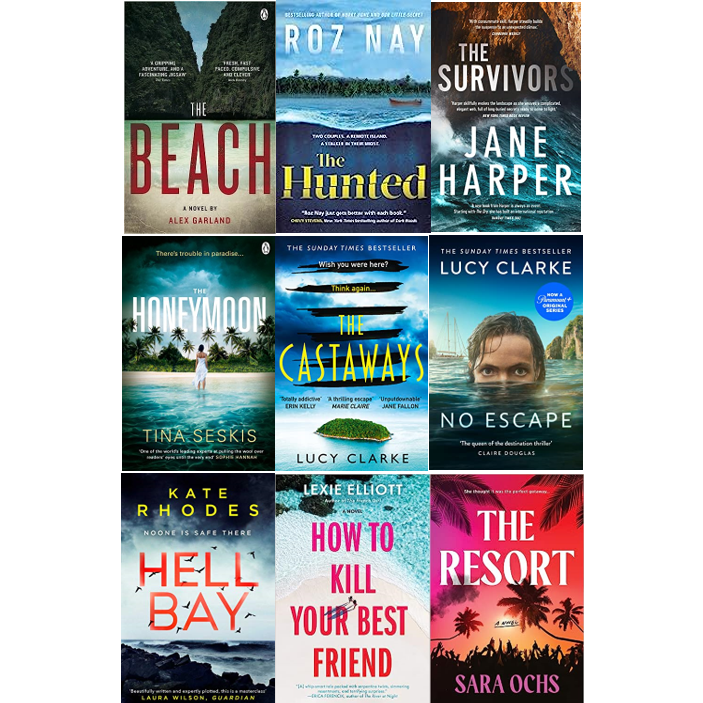
Beach-set thrillers

I’m a huge fan of novels with interesting settings. And I LOVE beach settings!
I wrote an article for CrimeReads.com about why the beach makes such a great setting for a thriller. Read it here!


Here are the books I mention in my article:

The Beach by Alex Garland

The Hunted by Roz Nay

The Survivors by Jane Harper

The Honeymoon by Tina Seskis

The Castaways by Lucy Clarke

No Escape by Lucy Clarke

Hell Bay by Kate Rhodes

How to Kill your Best Friend by Lexie Elliot

The Resort (The Dive is the UK title) by Sara Ochs

All the different covers of SHIVER!

I’m so thrilled that my debut thriller SHIVER has sold in 24 territories and been translated into 23 languages.
Here are all the different covers so far. Which one is your favourite?

Top row: UK super advance cover, UK hardback, North American, Australian, UK paperback, French, Portuguese.
Second row: Italian, Spanish, German, Romanian, French Livre du Poche, Finnish, Czech,
Third row: Polish, Greek, English Large Print, Norwegian, Dutch, Bulgarian, Estonian.
Bottom row: Russian, Croatian, Japanese, Serbian, Slovakian, Hungarian, Chinese.

It has also sold in Turkey but I haven’t seen their cover yet. It blows me away to see all the different designs. Some of them use a different alphabet so I can’t even recognise my own name!

I’m so grateful to all my publishers, my amazing agent Kate Burke and the incredible foreign rights team at Blake Friedmann Literary Agency.

THRILLERS with ROMANCE!

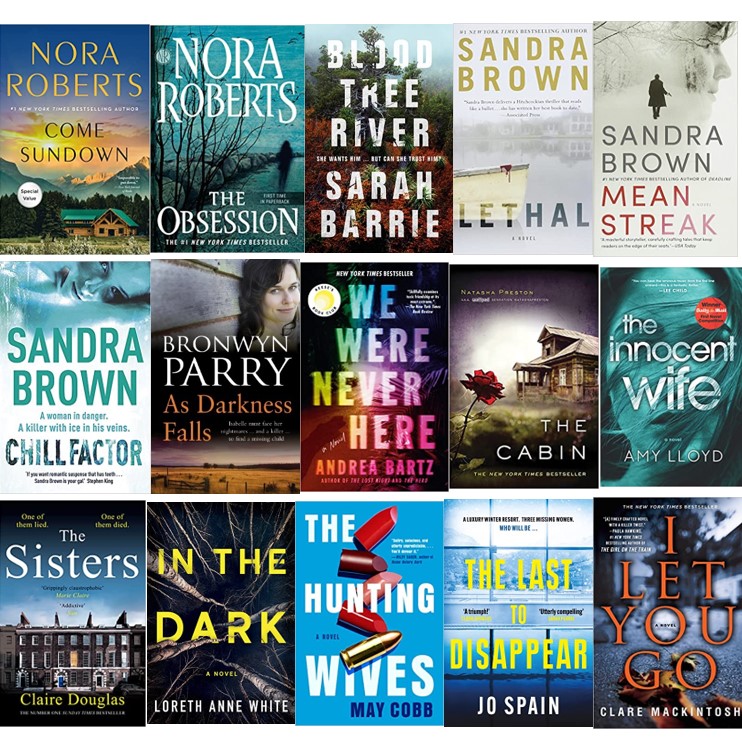
I love romantic subplots in my thrillers! Anyone else?

Here are some of my favourites! I’ve arranged them roughly in order of MOST romance to LEAST.

Nora Roberts’ THE OBSESSION just blew me away the first time I read it. That opening! So terrifying and so tense.

I’ve read Sandra Brown’s MEAN STREAK several times. The pace and the cliff-hangers are amazing, and the can-we-trust-him male love interest is just 🔥

Australian author Sarah Barrie’s BLOOD TREE RIVER is set on a remote cattle station in Tasmania, with a male lead who has a deep empathy for horses but maybe not so much for humans. Another Aussie author, Bronwyn Parry’s debut AS DARKNESS FALLS is a romantic thriller set in outback Australia that won the prestigious Romance Writers of America Golden Heart Award.

Andrea Bartz’s WE WERE NEVER HERE is set between Chile and America and is soon to be a movie. Many of YA author Natasha Preston’s thrillers have romantic subplots and there’s HUGE chemistry between the leads in THE CABIN.

Amy Lloyd’s female main character in THE INNOCENT WIFE becomes obsessed with a man on Death Row in the USA for a murder.
Clare Douglas’s THE SISTERS is a creepy, gripping story of a UK woman whose twin sister died in a tragic accident.

Loreth Ann White’s IN THE DARK has major ‘And Then There Were None’ vibes and a Canadian wilderness setting. May Cobb’s THE HUNTING WIVES is a sexy twisty tale with a cast of Texan women.

Jo Spain’s THE LAST TO DISAPPEAR is set in icy Lapland. Clare Mackintosh’s smash hit debut I LET YOU GO has a subtle romance subplot and some huge twists.

Anyone read any of these?

My novels ALWAYS seem to have romance subplots! But I haven’t found that many other thrillers that do, especially amongst UK authors and I’d love to find more.

Can anyone recommend any thrillers with romance subplots?

How an accident inspired my latest novel.

When you’re an author, life events, good or bad, often make it into your writing. They can even inspire a whole novel.

Three years ago, I was surfing at my local beach when my board smashed me hard in the side of the head. I felt myself starting to black out, but fought it, because I was in deep water and feared I would drown. I clung tightly to my surfboard and made it in to the beach lying on my board. Apart from a growing egg-sized lump on my head, I didn’t feel too bad.

But that afternoon, as I sat at home with an ice pack, I noticed strange gaps in my vision. I rushed to a local optician who freaked out and said my retina was detaching. So I rushed to Emergency, but it turned out my retina was merely loose. If a retina comes detached, emergency surgery is needed to save your vision but if it’s just loose, there’s nothing they can do, and once loose it will always be loose. To my relief, my vision soon returned to normal, apart from a few strange floaters.

But the next day my brain started to scramble. It was the weirdest feeling. Time seemed to slow and I realised I struggling to form thoughts. I headed back to Emergency for a CT scan. The doctor diagnosed delayed concussion and wanted to keep me in hospital but I’m a single mum of two young kids, so he reluctantly allowed me to go home, with strict instructions to rest. I also had to get a rota of kind friends to phone me at two hourly intervals through that first night, to check I could wake up.

Apart from relief, my main reaction was annoyance. “How long until I can surf again?”

It’s the same every time I injure myself. I imagine it’s the same for anyone who loves a sport.

The doctor looked at me like I was mad and told me: 14 days.

I waited 14 days. Then, feeling guilty and reckless and selfish, I went surfing again on day 15. I was cautious, knowing another head injury could be serious.

I was supposed to be writing my next book but I didn’t have the concentration to even read. My concentration took months to improve and I had to train myself to avoid distractions. I still struggle to multi-task. I can’t listen to music while I read or drive, and loud noises and bright light bother me more than they used to.

A few months later, just as I thought I was in the clear, I went for a deep-sand run and completely lost the vision in one eye. Maybe my brain overheated or got too shaken around. I rushed back to Emergency thinking my retina had detached, but it was apparently a brain issue not an eye issue and my retina was still merely loose. My vision returned a few hours later but I still have occasional vision issues.

I’ve done myself a fair bit of damage over the years, from the sports I’ve done, but this is my most serious injury to date. Naturally the accident inspired the book I was writing. Sport is good for you, they tell us. But my accident made me question this. What if (like me) the sports you enjoy are dangerous ones that smash you up?😅Is surfing good for me or is it an unhealthy, dangerous addiction? That got me thinking about where my limit would be – and where that limit might be for other people. How far might someone go to pursue their addiction? What price might they pay to continue surfing?

Then I began thinking about the different ways sports can damage us: the physical and mental trauma that accidents can cause. In The Bay / The Swell, a group of young keen surfers have claimed a remote Australian beach as their own. Surfing and other sports have damaged them in different ways, but they will do whatever it takes to keep surfing.

KENNA lost the love of her life in a surfing accident.
MIKKI’s addiction to surfing has torn her from family and friends.
JACK lives in constant pain from his accident.
VICTOR has PTSD from his accident.
RYAN uses surfing as a means to opt out of real life.

I love damaged characters. Trap them together and who knows what they might do?

The Bay is out now in the UK and ANZ. It’s out in North America under the title title The Swell.

Thrillers with a strong sense of place

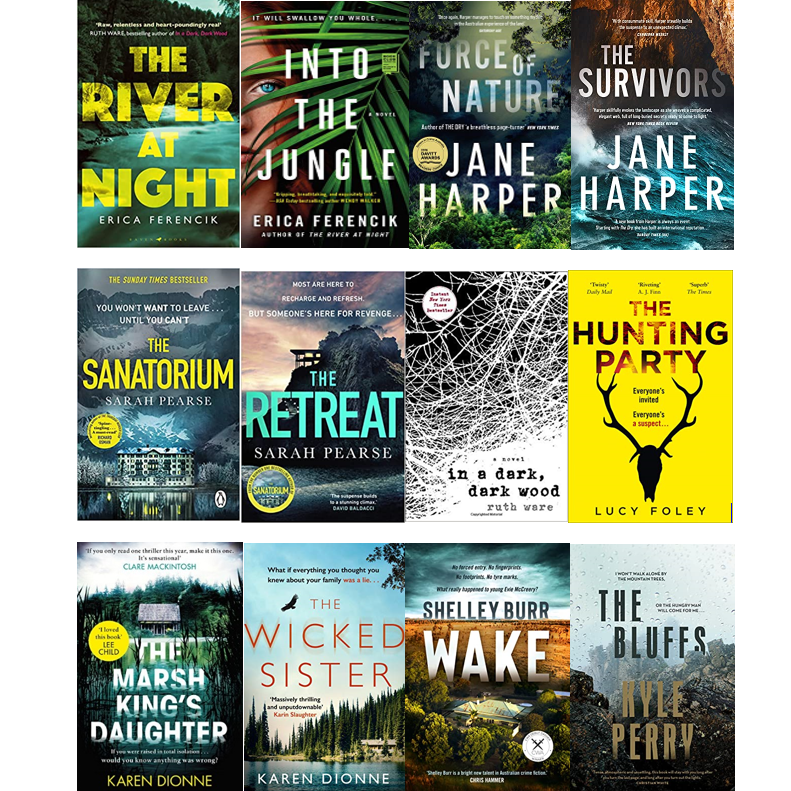
I love thrillers with a strong sense of place, especially ones set in dangerous natural environments. Here are some of my favourites!

@ericaferencik‘s thrillers always have THE most unique settings! #TheRiverAtNight is set on a raging remote river in Maine, where a group of female friends are white-water rafting. It’s possibly my favourite thriller ever! #IntoTheJungle is set in the Bolivian Amazon. It’s full of natural dangers from anacondas and jaguars to poisonous plants. Her latest, #GirlInIce is set in the Arctic.

I love Jane Harper’s novels which all have different settings, from the parching heat of #TheDry, to the lush green national park of #ForceOfNature, to the stormy windswept beach of #TheSurvivors, all equally vividly described.

Sarah Pearse creates the most sinister settings ever! Her debut #TheSanatorium is set in a hotel that used to be a TB sanatorium, her latest #TheRetreat is set on a rocky island known as Reaper’s Rock, which has a very dark history.

Ruth Ware’s books all have very different settings too. Her debut #InADarkDarkWood, set on a hen party at an isolated house surrounded by dense forest, was one of the books that got me hooked on psychological thrillers! The settings are all intense in Lucy Foley’s novels too. I loved the remote hunting lodge in far north Scotland of #TheHuntingParty, complete with icy lake, creepy forest and sinister statues.

Karen Dionne’s #TheMarshKingsDaughter (titled Home in the UK) is set on a harsh, freezing marsh far from civilisation. The author drew off her experiences living off the land for three years with her young family, building a cabin and homesteading. No wonder the setting feels so authentic. #TheWickedSister is set mostly at a remote hunting lodge surrounded by wilderness, complete with wolves and bears.

Australian author @shelleyburr‘s crime debut #Wake is set in a small town in outback Australia. I’ve never been to the outback but I could picture it so clearly! Australian author @KylePerry‘s haunting and atmospheric debut #TheBluffs is set in Tasmanian wilderness with a history of young girls going missing.

How I wrote The Bay/The Swell!

BRAINSTORMING

I got a two-book deal for Shiver and another psychological thriller. When the time came to write Book 2, first I brainstormed everything I wanted to write about. Writing a book is a long slog, so I wanted to feel passionate about my story. My list included strong female characters, a dangerous natural setting, secrets and lies, romance, twists and a who-do-you-trust feel.

One of my favourite quotes on writing is by Robert McKee in his amazing book Story: ‘We go to the movies to enter a new, fascinating world, to inhabit vicariously another human being who at first seems so unlike us and yet at heart is like us.’ Many of my favourite books are ones that take me to a new, fascinating world. Shiver takes the reader to the dangerous white world of snowy mountains and extreme sports athletes, so I got thinking about what sort of world I could write about in Book 2. As Lee Child says, readers want ‘the same yet different.’

I looked through my reading journal (I keep a careful record of every book I read and my thoughts on it – it’s so helpful!) and listed my favourite reads of 2020, 2019 and 2018 and why I liked them. This provided more guidance as to what I wanted to write.

I summarised several story ideas which I’d been forming over the last few years, discussed them with my agent, wrote 2-page outlines for a couple of them, then discussed them with my UK, American and Australian publishers, to see which they preferred and which would make the best follow-up to Shiver.

CONCEPT

The concept for The Bay/The Swell was inspired by two of my absolute favourite novels: The Beach by Alex Garland (I love the way he created a tropical paradise gone bad because of the people there) and Point Break. There are also elements of Survivor and And Then There Were None, with an Agatha Christie-esque ‘locked room’ type setting – the room being a lush national park and windswept beach.

SETTING

Setting is so important to me. As a reader, an interesting, unusual setting is often why I pick up a particular book. I love dangerous natural settings in particular. After the snowy mountain terrain of Shiver, it made sense to set my next book somewhere entirely different. I decided on a hot beach. For thrillers, it’s always nice if a place is remote with the potential to get cut off, ideally without mobile phone coverage. Australia has plenty such places and I’ve visited a few of them so it seemed logical to set my story there – and my publishers loved the idea.

CHARACTERS

I spent some time thinking about the nationalities of my characters. I wanted a multi-cultural bunch that would appeal to the publishers who’d already contracted me (UK, North America, Australia/New Zealand and Germany) and also to prospective publishers including those who’d bought Shiver. Since they’d be surfing, it made sense to pick countries that had large surfing populations.

For more ways that I develop characters, see my Insta post.

Then I sketched out a ‘character web.’ John Truby refers to character webs in his fantastic book The Anatomy of Story.

Truby advises writers to aim for as much conflict as possible between the characters to create an interesting plot. I took an A4 sheet of paper, marked my characters on (they were named A, B, C, D etc for now!) and drew lines of conflict between them until it looked like a spider’s web. For example A is B’s boyfriend, C is D’s best friend, E feels sorry for F but doesn’t trust him, B is afraid of C, D is blackmailing A. I’d show you my character web but there’d be major spoilers!

PLOTTING

I started with a basic idea of several deaths at a remote national beach, then I decided who was behind them and why. I wanted my main character to have a strong reason to investigate the deaths. Make the stakes personal, we’re often advised in craft books, so at first I thought my main character might be the brother or sister of a victim. I considered the victims being male but my agent felt it worked better with them being females.

In the movie Point Break, the main character is an undercover police officer sent to investigate a mysterious group of surfers who are suspected of being bank robbers. To solve the case, he must first win their trust and become one of them. I love how he gets so drawn into their world, he feels torn between doing his duty and his loyalty to and love for the tribe he has become a part of. I love emotional turmoil, so I incorporated a similar aspect into The Bay/The Swell. Kenna, the main character was an avid surfer until her boyfriend drowned. Now she’s forced back into the sport she quit and becomes addicted once again.

I listed the main events of my story on a sheet of paper and tried to expand them. Then I plotted them onto little squares of paper, just a sentence or two, for each scene. At first I only had about a dozen scenes but some were clearly too long for one scene so could be split into two, then I added plot complications, flashback scenes, and scenes from other characters’ perspectives. When I had about thirty scenes, I stuck them onto a giant whiteboard – the same board I planned Shiver on. I knew from analysing some of my favourite thrillers that I needed around 70-80 scenes for a typical novel (Shiver had 75) so I initially worried I didn’t have enough, but as I started writing, more ideas came to me and the story expanded nicely.

I used several colours of squares: white for the main story from the main character’s point of view, yellow for flashback scenes, green for scenes from other characters’ points of view and blue for the killer. As with Shiver, I spent a considerable amount of time shuffling them around to find the best order to maximise suspense and impact. For more detail on my whiteboard method, see my earlier post here.

The whiteboard method really helps me. I know what scenes I need to write and how they need to end, so I don’t waste time writing boring transitions between scenes where nothing much happens. Get into the scene late, and get out early, many craft books advise.

ENDING

An early draft of the story had more deaths. My agent felt it seemed unbelievable and over the top, so I cut one of the deaths. The hard thing about changes like this is it has a domino effect and in future drafts, references to this dead woman kept cropping up like an evil spirit.

By the time I came to write the climax, I didn’t know if I could pull off the ending I’d had in mind, so I brainstormed alternative endings, but my agent wasn’t keen. I discussed it with my publishers via Zoom and the verdict was the original ending was the best option, so I sat down to write it.

POINT OF VIEW

Shiver is told in the first person purely from the main female character Milla’s perspective. I wanted to try something different with The Bay/The Swell, but I loved the first-person voice and found it so much more natural to write than the third person, so I stuck with that for most of the story and added in chapters from other characters’ viewpoints, also in first person.

In an early draft there were several chapters from Sky (the leader of the tribe)’s perspective and several from Clemente (the love interest)’s point of view, but my agent felt these gave too much away, so I cut some of these and replaced them with single chapters from other characters. My publishers felt it seemed odd that a couple of the tribe members didn’t have chapters of their own, so I had to write chapters for them too, which I really struggled with, but once I’d done it, I could see how right they were. The final version has chapters from each of the tribe members – just a single chapter in most cases.

REVISIONS

After I had a finished draft, my agent read it and suggested revisions. Later, my publishers took it through multiple structural edits – six rounds in all, which seemed endless! I edit as I write, so by the time I’d finished the structural edits, it was fairly polished. It’s a time-consuming way to work, but it meant the line-edit stage was relatively fast and painless. See my earlier post on my top ten books on writing craft! These are my favourite books for the editing stage.

RESEARCH

Shiver barely needed any research, because I’d lived in the mountains as a competitive snowboarder in my early twenties. The Bay/The Swell required far more research. I’m a keen surfer and I’ve lived for twenty years near the ocean here in Australia, but I needed to research rock climbing, sea cliffs, underwater training exercises, rock running, surf photography methods and equipment, breath hold techniques, push ups vs pull ups, personal training and various surf spots in other countries including Mavericks, Pipeline, Biarritz, Cornwall, Devon and Brazil. I did a little research before I started writing and the rest as and when needed. I’m guessing each further book will require more research as I run out of familiar settings and topics!

THE LEAD UP TO PUBLICATION

Many writers start writing their next book at this stage, but I felt so burnt out after two years of the Covid pandemic, juggling my kids as a single mum with work, and the struggle I’d had to my revisions. Instead I focussed on promoting my book, doing interviews and social media, whilst trying to recover from my burnout and other health issues and catching up with my reading. I’ve read so many great books these last few months. See my Insta or Goodreads for some of my favourites!

Book titles!

I was chatting with thriller author J A Andrews on Twitter about how our book titles have changed. All four of his novels changed titles. And both of mine!
Titles are so important, yet so tricky to get right. The title is the first thing potential readers see of our books, so ideally we need something catchy, memorable and unique which hints at the story and what genre it is.
When I pitched my new thriller THE BAY to my agent and publishers, I called it: THE TRIBE or SURF TRIBE. They didn’t like it. They thought ‘The Tribe’ sounded like a science fiction book and ‘Surf Tribe’ was too niche – it would only appeal to surfers. I brainstormed alternative titles with my agent and publishers. Ideas included ON THE BEACH, THE SHORE, UNDERCURRENT, THE RIP and DARE. In the end, my UK team went for THE BAY.
But my American publishers felt it wouldn’t suit their market. Books sometimes do have different titles in different countries, as obviously each country has a slightly different market and publishers want to pick the best possible title for their market. In the US, surfing is seen as glamorous and sexy, my publisher explained, so they wanted to highlight that aspect. They came up with THE SWELL, which I love.

My debut novel changed title too! It was called THE ICEBREAKER when I submitted it, after the warm-up game the characters play at the reunion. My agent, Kate Burke at Blake Friedmann, felt it wasn’t strong enough. Plus ‘icebreaker’ is a type of ship that sails in icy waters! Kate came up with SHIVER at 4am one morning and I will always be grateful to her for that!
There are already several other novels with the title ‘Shiver’ but there’s no copyright on book titles so it didn’t matter.

As SHIVER gets translated into different languages, I’m always fascinated to see what title they give it. Sometimes its a direct translation of ‘Shiver’ such as ‘Tremblor’ for my Spanish edition. Sometimes it’s totally different. In Germany, the title is FROST GRAB which means ‘icy tomb.’ The Czech edition is ‘Mraz Pod Cuzi’ which means ‘frost under the skin.’

If, like me, you struggle with titles, my advice would be: don’t fret! You just need a good-enough working title for now. Down the line, your agent and/or publisher might well change it.

The story behind these rocks

I took the UK hardback edition of my new thriller #TheBay for a photoshoot!

Funny story about the rocks in the photo. It’s a famous surf spot here on the Gold Coast: Burleigh Point. When the waves are big, you have to jump off the rocks with your surfboard to get out because the currents are too strong to paddle from the beach.

Twenty years ago I’d only been surfing for six months. I’d just met my future husband (now my ex-husband because we divorced) and he invited me for a surf at Burleigh for our second date.

He clearly overestimated my surfing ability.
“Follow me!” he said and jumped off the rocks.
Keen to impress, I gamely followed him and jumped, but I timed it wrong. The waves had a bit of size that day and a larger wave rushed in and swept me back over the rocks. The barnacles shredded my feet and legs. I dragged myself back over the rocks into the ocean where I sat on my surfboard, cuts stinging, then realised I was bleeding in about ten places. Thinking how sharks can smell one drop of blood in a thousand Olympic swimming pools, I reluctantly said goodbye to my date and paddled in to the beach, then walked through the town of Burleigh leaving a trail of blood behind me.😂😂


I have a bad record with rocks. Another time, I jumped off rocks onto my board and landed on it badly, breaking several ribs. I’ve also busted fins. I never manage to time it right. These days I mostly stick to beach breaks.

#TheBay is out now in Australia and out on 23 June in the UK. It comes out on 19 July in North America, with its American title: #TheSwell.

2 d

The Post-it Method

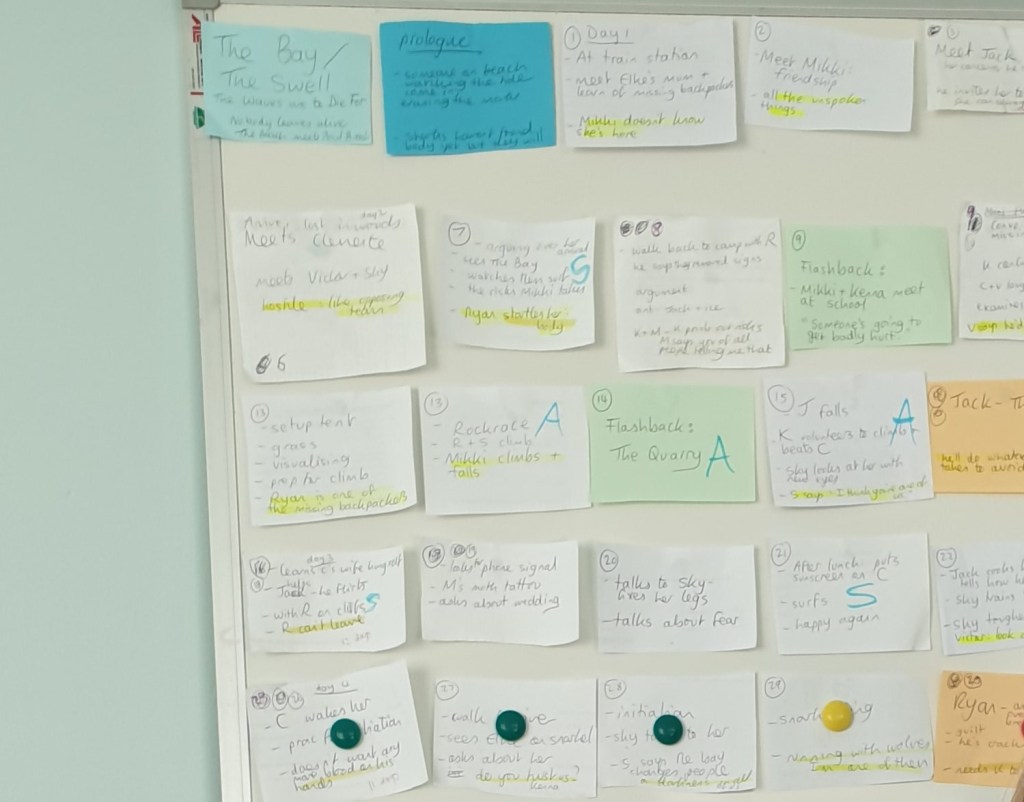
MY PLAN FOR THE BAY. (Don’t look too closely – possible spoilers!)

Some writers don’t plan their novels. Lee Child, for example, just starts writing without knowing how the story will end. Other writers, like Jane Harper, plan in great detail.

I plan but not in huge detail and my plan changes as I write. I use ‘The Post-It Method’ after hearing other writers describe how it helped them.

My whiteboard is 5-foot high. Some writers use actual Post-It Notes, but I use scraps of paper with magnets to stick them to the board because it’s hot here in Queensland and I need my windows open. The sea breeze would blow Post-its away! Using non-sticky paper also makes it easier to shuffle them around and play with the order.

Each scrap of paper represents a scene. I write 1-3 sentences per scene: the main events, characters, and maybe the setting and/or the time of day. Sometimes I just write bullet points. Both my published novels have around 75 scenes. I’ve analysed a few of my favourite thriller novels and they mostly seem to have around 70-80 scenes.

As you can see, I’m really messy! Most of these scene cards have been written and rewritten MANY times! So I just scribble.

I never used to plan my novels. I have four or five unpublished novels, all unfinished and unsubmitted because I got in a mess with the storyline.

My debut thriller SHIVER was the first novel I planned. I spent one month planning and wrote it in six months. The scraps of paper provided a map of the story and made life so much easier! I couldn’t have written SHIVER without planning. The story has a dual timeline and the order of events and reveals is crucial to the story. I spent hours – days! – shuffling scraps of paper around but it was time well spent. I used two colours of paper, one for each timeline. The story is all told from the main character, Milla’s point of view. I like to end scenes on cliff-hangers (or surprises or reveals) where possible, to keep the reader gripped, so I write these onto the bottom of each and highlight them.

I used the same method to plan THE BAY but it took WAY longer, partly due to the drama of Covid school closures, my divorce, and my head injury from a surfing accident, but also the pressure of my deadline, which zapped my creativity and made me panic! I spent several months planning and once I began writing I went down lots of dead ends and had to revise the plan, but the method still helped.

THE BAY is mostly told from Kenna’s point of view, but there are single chapters from each of the other main characters. I used white paper for Kenna, yellow for the other characters, blue for the killer’s point of view, and green for flashback scenes. This gave me a clear picture of how the different viewpoints were spread out.

I wrote a large ‘S’ on scenes that showed surfing, ‘A’ on action scenes, ‘T’ on scary bits of the thriller plot, and drew a heart on scenes that furthered the romance sub-plot. I didn’t want the surfing or romantic scenes too close together, and I wanted more scary bits in the last third.

When I finish the initial planning stage, I usually start off with around 30 scenes and panic that I don’t have enough plot. Then I start writing and expand some scenes into two or more, add in flashback scenes, and more plot complications develop.

The Post-its Method is particularly helpful with thrillers and crime fiction, in my opinion, and other novels with complicated plots, dual timelines or complicated structures, because it makes it easy to experiment with the order of events.

I’m so glad I found this method of planning, otherwise I might never have finished writing either of my novels!